Blog ·
Planning Your Wedding Day Photography Schedule
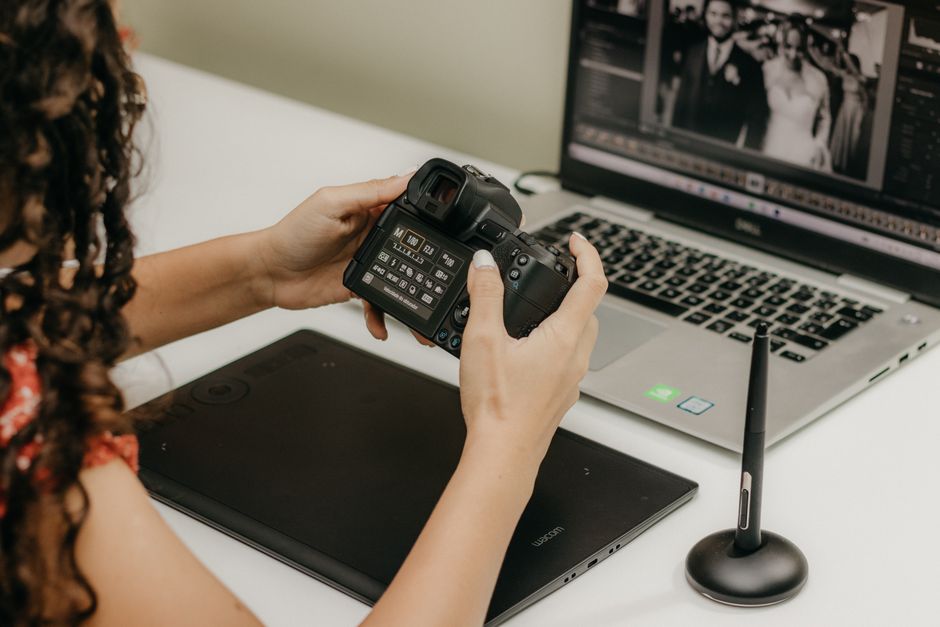
Planning your wedding day photography schedule is one of the most important decisions you'll make to ensure your emotions and memories are captured beautifully. A well-structured timeline not only helps your photographer prepare for key moments but also reduces stress on your big day.
Understanding Your Venue
Start by understanding your venue's layout and lighting conditions. Different rooms and outdoor spaces have unique characteristics that affect how emotion comes through in photos. Share floor plans and photos of your venue with your photographer well in advance. This allows them to plan camera positions and anticipate how natural light will change throughout the day.
Planning Your Ceremony
Your ceremony deserves special attention in the schedule. Discuss with your photographer when they can be positioned for the best angles—typically before guests arrive to capture your first reactions as you see each other, during the ceremony for genuine emotional exchanges, and immediately after for celebratory moments. Give your photographer a detailed run-of-the-day so they know exactly what to expect.
Reception Moments That Matter
Reception timing is equally critical. Identify which moments matter most to you: your first dance, toasts, cake cutting, or special surprises. Communicate these priorities clearly, as your photographer can prepare emotionally and technically for these peak moments. Consider scheduling a few minutes alone for couple portraits—these quiet moments often reveal the most authentic joy and connection between you.
Preparing for Weather Changes
Weather contingencies deserve attention too. If you're having an outdoor ceremony or cocktail hour, discuss backup locations with your photographer. How will they adapt their approach if conditions change? Understanding their flexibility helps you feel confident regardless of what weather arrives.
Creating Your Story
Think about the flow of your day from a storytelling perspective. Your photographer isn't just documenting events—they're creating a visual narrative of your emotions throughout the day. A logical sequence of events, communicated clearly, allows them to anticipate emotional peaks and prepare for them.
Build in Buffer Time
Finally, build in buffer time. Ceremonies often start late, makeup takes longer than expected, and meaningful moments can't be rushed. A realistic schedule that accounts for these natural delays gives your photographer room to capture unhurried, genuine expressions rather than stressful, hurried ones.
The time you invest in planning your photography schedule directly translates to better images that truly reflect the emotion of your day. Your photographer wants to succeed, and clear communication about timing, priorities, and logistics sets everyone up for success. When both you and your photographer know what to expect, everyone can relax and focus on enjoying the day—which is when the most vivid emotions shine through in every frame.